
Have you ever spotted a creepy insect in your home and wondered if it’s a cockroach or a water bug? You’re not alone.
Many people mix these two up, but knowing the difference can save you a lot of trouble. Understanding which pest you’re dealing with helps you choose the right way to get rid of it fast. You’ll discover simple tips to tell these bugs apart and protect your home better.
Keep reading—your peace of mind depends on it.

Credit: www.prevention.com
Cockroach Characteristics
Cockroaches are common insects found worldwide. They are known for their ability to survive in many environments. Understanding their traits helps to tell them apart from water bugs.
Cockroaches have unique features that make them easy to identify. Their habits and living places also differ from other bugs.
Physical Appearance
Cockroaches have flat, oval bodies. Their color ranges from light brown to dark brown. They have long antennae and six legs. Most have wings but do not fly well. Their bodies are shiny and smooth.
Common Species
The German cockroach is small and light brown. American cockroaches are larger and reddish-brown. Oriental cockroaches are dark and shiny. These species often live near humans.
Habitat And Behavior
Cockroaches prefer warm and moist places. They hide in cracks, kitchens, and bathrooms. They come out at night to search for food. Cockroaches eat almost anything, including food scraps and paper.
Water Bug Traits
Water bugs have unique traits that set them apart from other insects. Their appearance, habits, and habitats differ from common bugs. Understanding these traits helps in identifying them correctly. This section explores their distinct features, popular varieties, and living environments.
Distinct Features
Water bugs have broad, flat bodies that help them float. Their wings cover their entire back, often shiny and smooth. Legs are strong and sometimes fringed for swimming. They have large, noticeable eyes for spotting prey. Unlike cockroaches, water bugs move quickly in water and air.
Popular Varieties
One well-known variety is the Giant Water Bug, also called “toe biter.” Another is the Backswimmer, which swims upside down. The Water Scorpion looks like a stick and has a long tail. Each type has special features but shares the ability to live near water. These bugs often scare people due to their size and bite.
Living Environment
Water bugs live in ponds, lakes, and slow streams. They prefer clean, fresh water with plants nearby. Some species can survive in wet soil or damp areas close to water. They hide under leaves or stones during the day. At night, they hunt for small fish, insects, or tadpoles.
Comparing Size And Shape
Comparing the size and shape of cockroaches and water bugs helps us tell them apart easily. Both insects can look similar at first. Yet, their bodies have clear differences. These differences affect how they move and where they live.
Size Differences Between Cockroaches And Water Bugs
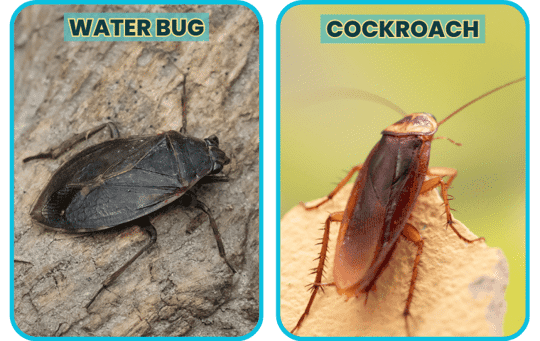
Cockroaches are usually smaller than water bugs. Most cockroaches measure about 1 to 2 inches long. Water bugs often grow larger, reaching up to 4 inches. This makes water bugs appear more bulky.
Water bugs also have a wider body than cockroaches. This extra width makes them look heavier. Cockroaches have a slimmer, flatter body shape. Their size helps them hide in small cracks.
Body Shape And Structure
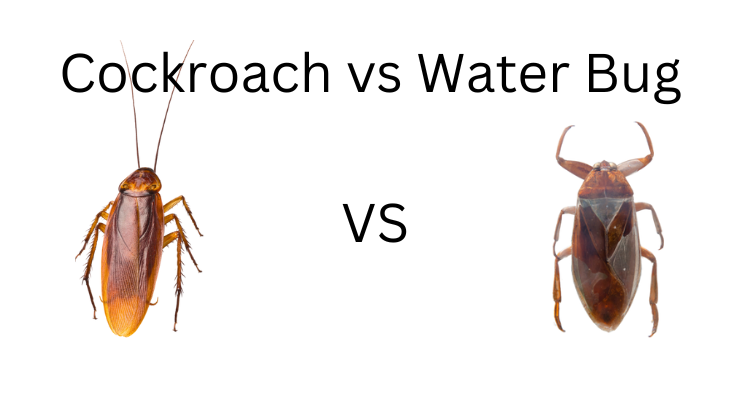
Cockroaches have a long, oval-shaped body. Their bodies are flat from top to bottom. This flatness allows them to squeeze into tight spaces. Their legs are thin and adapted for running fast.
Water bugs have a rounder, thicker body. Their shape is more curved and less flat. Their legs are strong and spread out. They use these legs for swimming in water.
Credit: www.nativepestmanagement.com
Differences In Movement
Movement helps tell a cockroach from a water bug. Both insects can seem fast and creepy. But their ways of moving differ a lot. Understanding these differences can help you identify which one you see.
How Cockroaches Move
Cockroaches run quickly on flat surfaces. They use their long legs to sprint and change direction fast. Cockroaches can climb walls and ceilings with ease. Their quick, jerky movements help them escape danger.
How Water Bugs Move
Water bugs swim smoothly in water. Their legs act like paddles to push through water. On land, they move slower and with a steady pace. Water bugs usually stay near water and do not climb walls.
Diet And Feeding Habits
Diet and feeding habits reveal key differences between cockroaches and water bugs. Understanding what each insect eats helps identify them better. Both insects eat various foods but in distinct ways.
Diet Of Cockroaches
Cockroaches are scavengers. They eat almost anything. Old food, crumbs, paper, and even glue attract them. They survive on small bits of organic matter. Cockroaches prefer sweet and starchy foods. They often feed at night. This helps them avoid humans.
Diet Of Water Bugs
Water bugs are predators. They hunt live prey like small insects and fish. Their diet includes tadpoles and aquatic larvae. Water bugs use strong front legs to catch food. They inject enzymes to digest prey outside their body. Water bugs feed mostly in water or near it.
Feeding Habits Comparison
Cockroaches scavenge in dark, damp places. They eat leftovers and waste. Water bugs actively hunt and kill prey. They prefer fresh, living food. Cockroaches cause more problems in homes. Water bugs rarely enter houses. Their feeding habits match their habitats closely.
Credit: takecaretermite.com
Health Risks And Concerns
Health risks from cockroaches and water bugs cause real worry in homes. Both pests carry germs that can affect people’s health. They spread bacteria and allergens that cause sickness and discomfort.
Understanding these risks helps protect your family and home environment. Knowing which pest you face guides the right action to reduce health problems.
Allergies And Asthma Triggers
Cockroaches produce tiny particles that cause allergies. These particles can worsen asthma symptoms, especially in children. Water bugs are less likely to cause allergies but can still trigger mild reactions.
Bacteria And Disease Spread
Cockroaches carry bacteria like Salmonella and E. coli on their bodies. These germs can contaminate food and surfaces. Water bugs also carry bacteria but pose a lower risk than cockroaches.
Skin Irritations And Bites
Cockroaches rarely bite but can cause skin irritation from contact. Water bugs sometimes bite humans, causing painful swelling. Both pests can leave marks that may get infected if scratched.
Contamination Of Food And Surfaces
Cockroaches crawl through dirty places and spread germs easily. They contaminate food, dishes, and kitchen counters. Water bugs live near water but can enter kitchens and spread bacteria.
Control And Prevention Tips
Controlling and preventing cockroaches and water bugs requires effort and care. Both pests thrive in damp, dirty places. Keeping your home clean and dry helps stop them from coming in. Knowing how to manage these bugs keeps your home safe and healthy.
Home Remedies
Start by sealing cracks and holes around doors and windows. This blocks entry points for bugs. Clean up food crumbs and spills quickly. Store food in tight containers to avoid attracting pests. Fix leaks and reduce moisture in kitchens and bathrooms. Use natural repellents like bay leaves or cucumber slices in problem areas. Sprinkle baking soda or diatomaceous earth near bug hiding spots. These home remedies reduce bug numbers without harsh chemicals.
Professional Pest Control
Sometimes home methods do not fully work. Hiring a pest control expert can help. Professionals identify the type of bug and treat the problem precisely. They use safe, effective products to remove pests. Pest control services also offer advice on preventing future infestations. Regular inspections keep your home bug-free over time. Trusting experts ensures fast and thorough pest removal.
Frequently Asked Questions
What Distinguishes A Cockroach From A Water Bug?
Cockroaches have flat, oval bodies with long antennae and wings. Water bugs are larger, rounder, and often aquatic. Their habitats and behaviors also differ significantly, with water bugs being more aggressive and predatory than cockroaches.
Are Water Bugs The Same As Cockroaches?
No, water bugs are not cockroaches. They belong to different insect families. Water bugs are aquatic predators, while cockroaches are terrestrial scavengers. Their physical features and habitats clearly separate these two insects.
Do Cockroaches And Water Bugs Pose The Same Health Risks?
Cockroaches are known carriers of allergens and bacteria, causing allergies and diseases. Water bugs are less likely to spread diseases but can bite. Both can be pests, but cockroaches generally pose greater health risks.
Can Water Bugs Survive Indoors Like Cockroaches?
Water bugs prefer moist environments near water sources but can enter homes. Cockroaches thrive indoors in warm, dark areas. Water bugs are less common indoors but may appear near plumbing or basements.
Conclusion
Cockroaches and water bugs look similar but are different insects. Cockroaches have oval bodies and long antennae. Water bugs are bigger and often live near water. Both can enter homes but cause different problems. Knowing their differences helps you handle them better.
Keep your home clean to avoid both pests. Understanding these bugs makes pest control easier and safer. Stay aware and act fast if you see either bug. Prevention is the best way to keep them away. Simple steps protect your home from unwanted visitors.