
Are you tired of sharing your home with unwanted eight-legged guests? When it comes to dealing with spiders, you might wonder whether to use a spider repellent or a spider killer.
Both promise to solve your spider problem, but they work in very different ways. Understanding the key differences can save you time, money, and frustration. You’ll discover which option suits your needs best and how to make your home a spider-free zone—without any guesswork.
Keep reading to find out what really works for you and your space.
Spider Repellent Basics
Spider repellents are products designed to keep spiders away without killing them. They work by creating an environment that spiders find uncomfortable. People use repellents to prevent spiders from entering homes or specific areas. Understanding how repellents work helps in choosing the right product for your needs.
Repellents differ from spider killers, which aim to eliminate spiders. Repellents focus on avoidance rather than destruction. This approach is often preferred by those who want to avoid harming spiders but still keep their space spider-free.
How Repellents Work
Spider repellents release smells or substances that spiders dislike. These scents interfere with spiders’ senses and make them avoid treated areas. Some repellents create a physical barrier, making it hard for spiders to cross. The goal is to make spiders leave or not enter a space at all.
Repellents do not kill spiders. Instead, they encourage spiders to move to other places. This method helps reduce spider presence without creating a mess or requiring cleanup.
Common Ingredients
Many repellents use natural oils like peppermint, eucalyptus, or citrus. These oils have strong smells that spiders find unpleasant. Some products contain chemicals designed to repel spiders safely. Ingredients like vinegar or ammonia also work as natural repellents.
Choosing products with safe ingredients is important, especially around children and pets. Natural oils are popular because they are less toxic and still effective. Always check the label to know what is inside the repellent you pick.
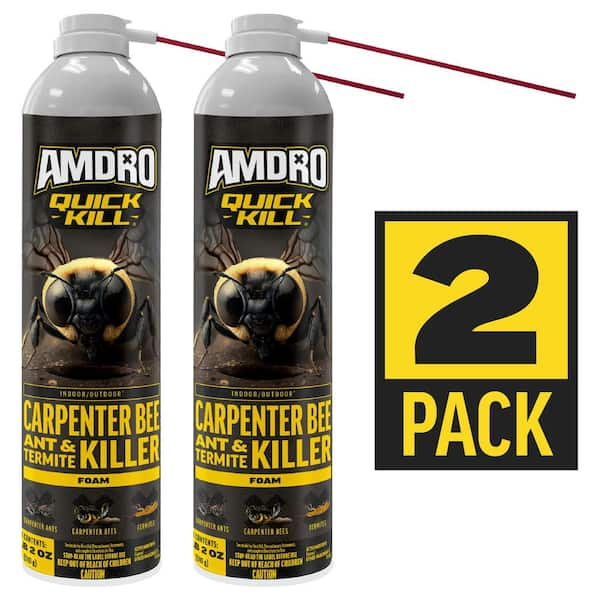
Credit: www.homedepot.com
Spider Killer Essentials
Spider killers are products designed to eliminate spiders quickly. They target spiders directly, reducing their numbers fast. These products are useful when spiders become a problem inside or outside your home.
Understanding how spider killers work helps in choosing the right product. Knowing popular types makes it easier to find one that fits your needs.
Mechanism Of Action
Spider killers often contain chemicals that attack the spider’s nervous system. This causes paralysis and death within minutes. Some sprays work by direct contact. Others leave a residue that kills spiders on touch.
There are also spider killers that use natural oils. These oils disrupt spider breathing and movement. The effect is quick and does not harm humans or pets.
Popular Formulations
Spider killers come in many forms. Sprays are the most common and easy to use. They allow direct application on spiders or their webs.
Powders are another option. They stick to spider legs and cause dehydration. Powders work well in cracks and corners where spiders hide.
Foggers release a mist that spreads in rooms. They kill spiders in hard-to-reach places but require vacating the area during use.
Repellent Vs Killer
Choosing between a spider repellent and a spider killer depends on what you want to achieve. Repellents keep spiders away without harming them. Killers remove spiders by killing them. Each has its own benefits and drawbacks. Understanding the differences helps pick the right option for your needs.
Effectiveness Comparison
Spider repellents work by creating a barrier that spiders avoid. They reduce spider visits but do not remove existing ones. Spider killers act quickly by killing spiders on contact. Killers provide immediate results but may not stop new spiders from coming back. Repellents are better for prevention. Killers are best for quick removal.
Safety Considerations
Repellents are usually safer for humans and pets. They use natural ingredients or mild chemicals. Killers often contain stronger chemicals. These can pose risks to children and pets. Using killers requires careful handling. Repellents are gentle and less likely to cause harm.
Environmental Impact
Repellents generally have a lower environmental impact. They do not kill insects or other animals. Killers may harm beneficial insects and wildlife. Chemicals in killers can pollute soil and water. Choosing repellents helps protect the environment while managing spiders.

Credit: www.youtube.com
When To Use Repellents
Knowing when to use spider repellents can save time and stress. Repellents work best to keep spiders away before they become a problem. They do not kill spiders but stop them from entering your space. Using repellents at the right time helps maintain a spider-free environment without harm.
Preventive Measures
Apply repellents in early spring or fall. These seasons are when spiders start to look for shelter. Use repellents around windows, doors, and cracks. This stops spiders from finding easy entry points. Reapply repellents regularly to keep protection strong. Prevention is better than dealing with a spider infestation later.
Suitable Environments
Repellents work well in homes, gardens, and garages. Use them in places with low spider activity. They are safe around children and pets when used correctly. Avoid using repellents in areas with heavy spider populations. In those cases, spider killers may be more effective. Repellents maintain a spider-free zone without killing bugs.
When To Choose Killers
Choosing between spider repellents and spider killers depends on the situation. Killers work best when spiders become a real problem. They remove spiders quickly and reduce their numbers fast. This section explains when to pick killers over repellents.
Dealing With Infestations
Spider killers are ideal for infestations. If you see many spiders in your home, killing them stops the spread. Killers act fast to control large groups. Repellents only push spiders away but do not reduce numbers. Use killers to clear severe spider problems effectively.
Application Tips
Apply spider killers carefully for best results. Focus on corners, windows, and dark spaces where spiders hide. Spray directly on spiders and webs for quick action. Follow product instructions to avoid damage or harm. Keep children and pets away during application.
Diy Spider Control Options
DIY spider control options help manage spiders safely at home. These methods either keep spiders away or get rid of them. You can choose natural ways that protect your space without harsh chemicals. This section explains simple DIY spider repellents and killers.
Natural Repellents
Natural repellents stop spiders from entering your home. Essential oils like peppermint and eucalyptus work well. Mix a few drops with water in a spray bottle. Spray around doors, windows, and corners. Spiders dislike these smells and avoid treated areas.
Other natural options include vinegar and citrus peels. Wipe surfaces with vinegar or place peels near spider spots. These scents help keep spiders away without harming pets or children. Natural repellents require regular application for best results.
Homemade Killers
Homemade spider killers eliminate spiders safely and quickly. A simple trap uses sugar and baking soda. Place it where spiders appear. Spiders eat the mix and die.
Soap and water sprays also work well. Mix liquid soap in water and spray spiders directly. The soap breaks their outer layer, killing them gently. Homemade killers are safe and easy to make with common household items.
Common Myths About Spider Control
Many people misunderstand how to control spiders effectively. Myths about spider repellents and killers spread easily. These false ideas can lead to wasted time and effort. Knowing the truth helps keep your home spider-free.
Spiders are not always harmful. Some myths exaggerate their danger. Learning the facts helps choose the right products and methods.
Myth 1: All Spiders Are Dangerous
Most spiders are harmless and avoid humans. Only a few species have venom that can hurt people. Fear should not lead to killing every spider.
Myth 2: Spider Repellents Kill Spiders
Repellents only keep spiders away. They do not kill or remove existing spiders. Killers are needed to eliminate spiders already inside.
Myth 3: Killing Spiders Stops Them From Coming Back
Killing spiders does not stop new ones from entering. Sealing entry points and cleaning reduce spider visits better than killing alone.
Myth 4: Spiders Prefer Dirty Homes
Spiders enter homes for food and shelter, not dirt. Clean or dirty, any home can have spiders if conditions suit them.
Myth 5: Natural Remedies Always Work
Some natural methods may help but lack strong evidence. Effective spider control usually needs proven repellents or killers.
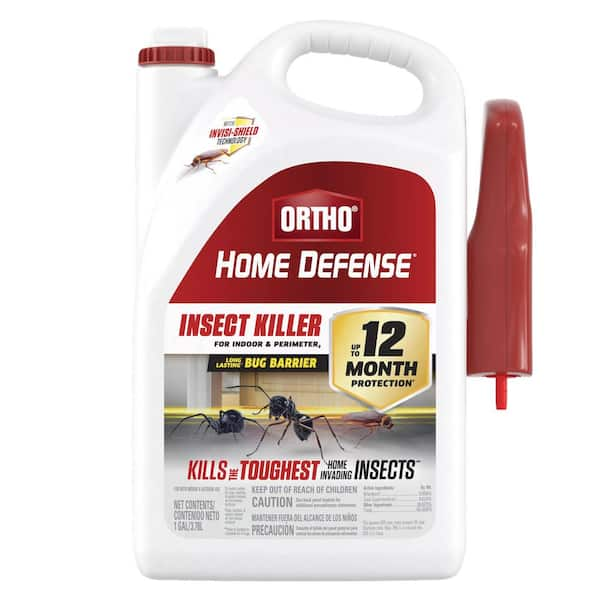
Credit: www.homedepot.com
Conclusion
Choosing between a spider repellent and a spider killer depends on your needs. Repellents keep spiders away without harm. Killers remove spiders quickly but may cause mess. Both have benefits and limits. Think about safety, pets, and children at home.
Use products as the label says. Regular cleaning also helps reduce spiders. Understanding these differences helps you decide wisely. Keep your home spider-free in a safe way.