
Spiders can be a real nuisance, whether they’re lurking inside your home or hiding around your garden. But did you know that the way you handle spider control should change depending on where these eight-legged visitors show up?
If you want to keep your space spider-free without wasting time or money, understanding the difference between indoor and outdoor spider control methods is key. You’ll discover simple, effective ways to tackle spiders both inside and outside your home. Ready to take control and feel safe in your own space?
Let’s dive in.
Credit: www.stridepestcontrol.com
Indoor Spider Control
Spiders inside the house can cause discomfort and fear. Controlling them requires a clear plan. Indoor spider control focuses on reducing spider presence safely and effectively.
Knowing common indoor spiders helps in identifying the right control steps. Prevention keeps spiders out before problems start. Natural remedies offer gentle solutions without harsh chemicals. Chemical treatments work fast but need careful handling. Safety tips protect your family and pets during indoor spider control.
Common Indoor Spiders
The most common indoor spiders include the house spider, cellar spider, and jumping spider. House spiders build webs in corners and dark places. Cellar spiders have long legs and appear in basements. Jumping spiders move quickly and do not build webs. These spiders usually do not harm humans but can be a nuisance.
Preventive Measures
Seal cracks and gaps around windows and doors. Keep your home clean and free of clutter. Remove spider webs regularly with a vacuum or broom. Reduce outdoor lighting that attracts insects, the spider’s food. Store firewood and debris away from the house.
Natural Remedies
Essential oils like peppermint or tea tree can repel spiders. Mix a few drops with water and spray in corners. Vinegar water is another natural spider deterrent. Chestnuts placed near entry points may keep spiders away. These remedies are safe and eco-friendly for home use.
Chemical Treatments
Insecticides labeled for spiders can be effective indoors. Use sprays or dusts in basements, attics, and corners. Follow the product instructions carefully for best results. Avoid overusing chemicals to prevent resistance. Consider professional pest control for severe infestations.
Safety Tips For Indoor Use
Keep children and pets away from treated areas. Ventilate rooms well after applying chemicals. Wear gloves and masks when handling sprays or powders. Store chemicals out of reach and in original containers. Clean treated surfaces before food preparation or eating.
Outdoor Spider Control
Controlling spiders outdoors requires different methods than indoors. Outdoor spiders live in various places and need special care to manage. Understanding their habits helps keep your yard spider-free.
Types Of Outdoor Spiders
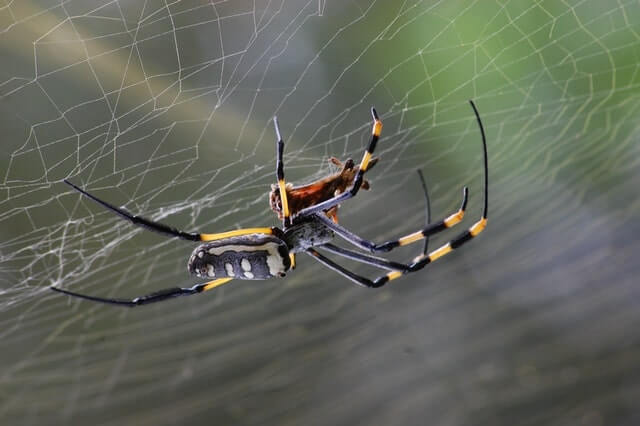
Common outdoor spiders include orb weavers, wolf spiders, and cellar spiders. Orb weavers spin large webs between plants. Wolf spiders do not build webs but hunt on the ground. Cellar spiders like dark, damp spaces outside walls or under leaves.
Habitat Management
Remove spider hiding spots like wood piles, leaf litter, and tall grass. Keep garden areas tidy and trim plants regularly. Clear debris near your home’s foundation to reduce spider shelters. Dry areas discourage spiders from settling.
Physical Barriers
Seal cracks and gaps in your home’s exterior walls and windows. Install door sweeps and window screens to block spider entry. Use mesh around vents and air conditioners. These barriers stop spiders from moving indoors.
Eco-friendly Solutions
Use natural repellents like peppermint oil or vinegar sprays. Plant spider-repelling herbs such as lavender and eucalyptus. Encourage birds and beneficial insects that eat spiders. Avoid harsh chemicals to protect your garden’s health.
When To Call A Professional
Contact an expert if spider numbers grow quickly or if venomous spiders appear. Professionals use safe and effective treatments for large infestations. They can identify spider types and recommend the best control plans.
Comparing Indoor And Outdoor Methods
Spider control inside a home differs from managing spiders outdoors. Each environment needs special methods to work well. Indoor control focuses on keeping spiders away from living spaces. Outdoor methods target spider habitats around buildings and gardens. Both have unique challenges and benefits to consider.
Effectiveness
Indoor spider control often uses sprays and traps. These reduce spiders quickly inside the house. Outdoor control uses pesticides or natural predators to cut spider numbers. Outdoor methods may need more time to see results. Indoor methods act faster but cover smaller areas.
Environmental Impact
Indoor treatments usually use less pesticide, limiting chemical exposure. Outdoor methods can affect beneficial insects and plants nearby. Choosing eco-friendly products helps protect the environment. Outdoor control should avoid harming pollinators and water sources.
Cost Considerations
Indoor spider control often costs less due to smaller areas. Outdoor treatments might require more product and labor. Regular outdoor care can increase expenses over time. Indoor care usually needs fewer visits, saving money.
Long-term Maintenance
Indoor spider control needs regular cleaning and sealing cracks. Outdoor control involves clearing webs and reducing spider habitats. Both require ongoing effort to prevent spider return. Combining methods offers better long-term results.

Credit: www.amazon.com
Tips For Ongoing Spider Prevention
Preventing spiders from invading your space needs steady effort. Spiders enter homes or yards seeking food and shelter. Keeping them away takes simple steps done regularly. These tips help you stop spiders before they settle in. Focus on cleaning, seasonal habits, and quick checks. Each step lowers the chance of spider problems inside and outside.
Regular Cleaning Routines
Clean corners and dark spots often. Spiders like places with dust and webs. Sweep floors and vacuum carpets weekly. Remove spider webs from windows and ceilings. Clear clutter where spiders hide easily. Wash outdoor furniture and walls regularly. Clean drains and gutters to avoid spider homes. Good cleaning stops spiders from finding shelter.
Seasonal Adjustments
Change habits with the seasons to prevent spiders. Seal cracks and openings before fall. Spiders enter homes in cooler months. Trim bushes and trees near your house. Keep grass short and dry around your yard. Store firewood away from the house. Check windows and doors for gaps often. Seasonal care keeps spiders from making nests.
Monitoring And Early Detection
Look for spider webs and egg sacs often. Use a flashlight to check dark areas. Notice any spider sightings and act fast. Set sticky traps near corners or entry points. Track spider activity to catch problems early. Early detection means easier control and fewer spiders. Stay alert to stop spiders before they spread.
Credit: donerightpestsolutions.com
Conclusion
Controlling spiders indoors and outdoors requires different approaches. Indoor methods focus on keeping homes clean and sealed. Outdoor control often involves removing webs and reducing hiding spots. Both types need regular attention to work well. Choose the method that fits your space and spider problem.
Small actions can keep spiders away and make your home safer. Understanding these methods helps you manage spiders better every day. Simple steps bring great results.